In the world of metalworking, choosing the right cutting method is more than a technical decision—it’s a strategic one. Plasma and laser cutting have both carved out essential roles in manufacturing, but they excel in different arenas. Let’s break down the hard facts and real-world performance of these two cutting giants.
What Are Plasma and Laser Cutting?
Plasma Cutting
Plasma cutting uses a stream of ionized gas to slice through conductive materials. The process begins with an electric arc that transforms gas like nitrogen or oxygen into plasma. This high-temperature stream—hot enough to melt metal—shoots out at incredible speed, blowing molten material away and leaving a rough but fast cut.

Laser Cutting
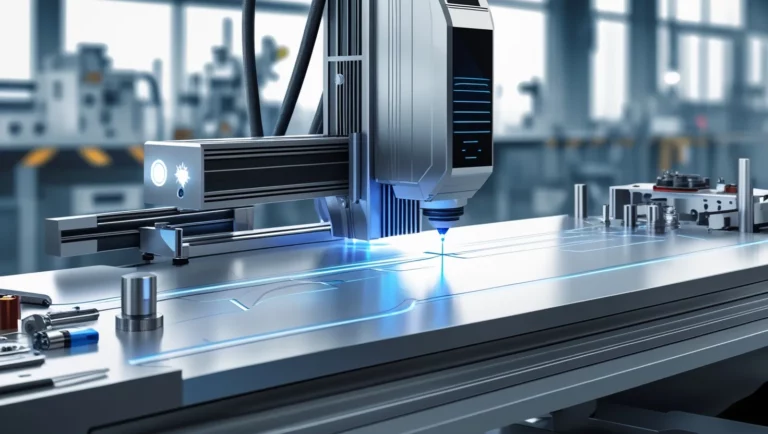
Laser cutting machines generate a concentrated beam of light to melt or vaporize materials. These systems—often CO2 or fiber lasers—are driven by computer-controlled precision, allowing for clean, complex cuts with minimal heat-affected zones. They’re particularly valuable when accuracy is non-negotiable.
Accuracy and Edge Finish
Laser Cutting Machines
Laser cutting machines deliver razor-sharp accuracy, often down to 0.1 mm. Their beam doesn’t wander, which means smoother edges, tighter tolerances, and minimal dross. Designers and engineers rely on this method when even a millimeter of error is too much.

Plasma Cutting
Plasma is no slouch, especially when speed matters. But with thicker materials, it struggles to match a laser’s finesse. Expect slightly beveled or rougher edges, and plan for some cleanup when detail is important.
Thickness and Speed Trade-Off
| Cutting Method | Ideal Thickness Range | Speed on Mild Steel | Precision Level |
|---|---|---|---|
| Plasma | 3–100 mm | Excellent >10 mm | Moderate |
| Laser Cutting | 0.5–25 mm | Fast <10 mm | Exceptional |
If you’re slicing through a 20 mm steel plate in minutes, plasma will get you there. For delicate parts or prototypes, laser is the undisputed choice.
Investment and Maintenance
Laser Cutting Machines
Laser cutting machines carry a higher upfront cost and require ongoing care—think regular lens cleaning, cooling system checks, and gas refills. But their precision and automation can significantly reduce material waste and labor in the long term.
Plasma Cutting
Plasma machines cost less out of the gate and are mechanically simpler. If you’re running a shop that prioritizes throughput and durability over pristine finish, this might be your best bet.
Material Compatibility
Laser Cutting Machines
Laser systems shine across a broader material spectrum. They handle metals like stainless steel and brass, but also cut through plastics, wood, and even ceramics—depending on laser type and settings.
Plasma Cutting
Plasma is limited to metals that conduct electricity. If you’re cutting steel or aluminum all day, no problem. Just don’t expect it to help with acrylics or plywood.
Safety and Power Efficiency
Laser Cutting
Laser systems are quiet, clean, and precise—but they need strict safety controls. Enclosures, warning systems, and protective eyewear are standard. Their energy efficiency and clean working environment are a big plus for precision-focused workshops.
Plasma Cutting
Plasma cutting is louder and messier. It emits UV rays, sparks, and smoke, so ventilation and personal protection are critical. Energy consumption can be higher, but the rugged performance is worth it for heavy-duty tasks.
Final Verdict: Which One’s Smarter?
In terms of precision, cleanliness, and versatility, laser cutting machines earn the “smarter” label—especially when the job demands intricate detailing and clean edges. They’re the go-to choice for industries that value refinement over brute force.
However, plasma cutting proves itself time and again in scenarios where speed, affordability, and material thickness matter more than surface finish. It’s not elegant, but it gets the job done.
Bottom line: if you’re chasing perfection and working with thinner materials, go laser. If you need muscle on a budget and can accept a bit of roughness, plasma is your guy.